Every application figure a manufacturer prints assumes conditions, and the Sunshine Coast does not supply them for free.
At Bureau of Meteorology station 040861 at Sunshine Coast Airport, mean 9am relative humidity is 71 per cent across the year, rising to 76 per cent in June. Concept's No Mix data sheet sets a hard condition against that air: surface temperature must always be a minimum of 3 degrees Celsius above dew point. On a June morning in an unheated shed at Warana, with the air near three quarters saturated, that margin decides whether a coat lays down or blushes and lets go later. It is not something anyone judges by eye, and checking it before the first coat costs nothing.
Summer moves the problem the other way. The same sheet quotes 5 to 10 minutes flash off between coats and 30 to 40 minutes air dry at 25 degrees Celsius, while the station records a mean maximum of 25.5 degrees across the year and 29.1 degrees in January. A January panel runs hotter than the sheet assumes, so flash off shortens and a reducer chosen for a mild day fights you.
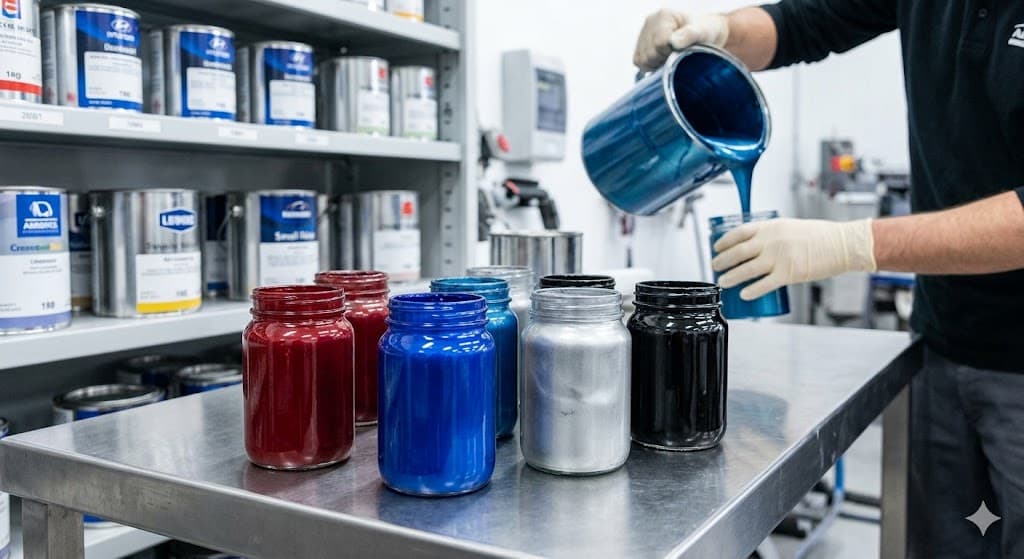
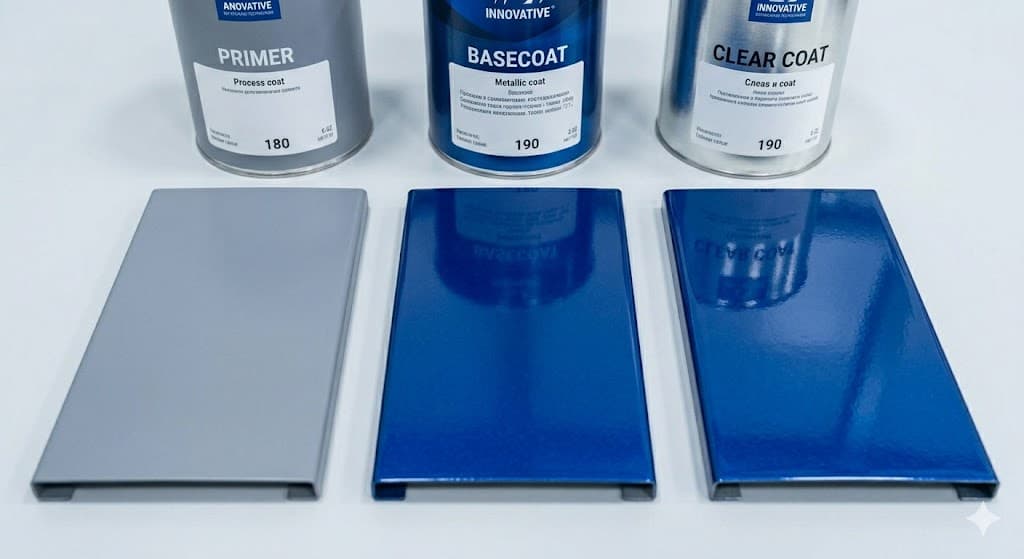
None of that changes what is in the tin. It changes which reducer, which hardener speed and which order of operations you walk out with, and no product listing makes that call. WorkSafe Queensland names suppliers, alongside manufacturers and industry associations, as a source to consult when a workplace is identifying spray painting hazards and reading labels, data sheets and instruction manuals. That is the job here: read the sheet, read the conditions, then match the products to both.